Portugal
 Spain
 France
 United Kingdom
 Germany
 Italy
 United States
 Hungary
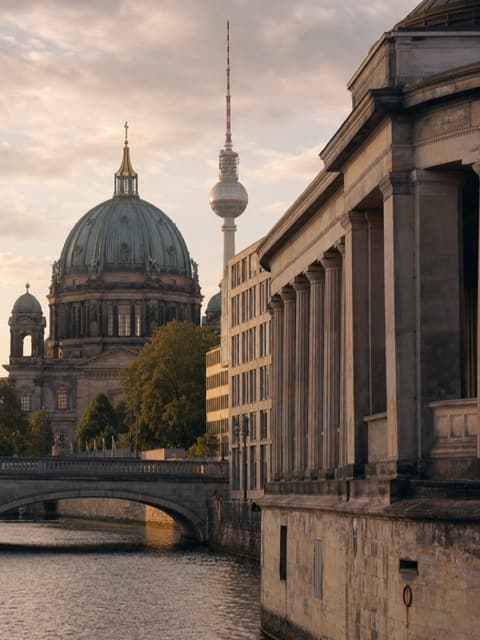

Permanent residence in 21 months
With a Blue Card and B1 German. Twenty-seven months without the language level. Then citizenship.

Countries
Germany · route overview
We handle the whole German case end to end, for professionals, freelancers and families. A German job offer, a job search from inside Germany, or your own freelance clients: each one has its own route toward permanent residence and citizenship, the Opportunity Card once you move on to a work or Blue Card permit.

Why Germany
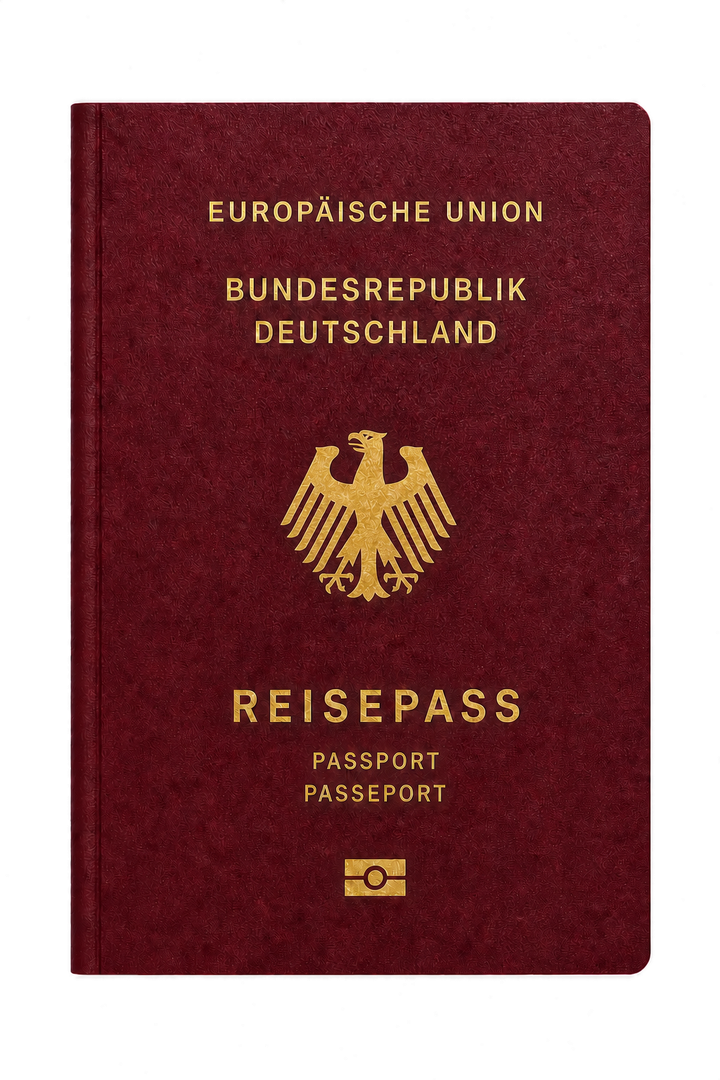
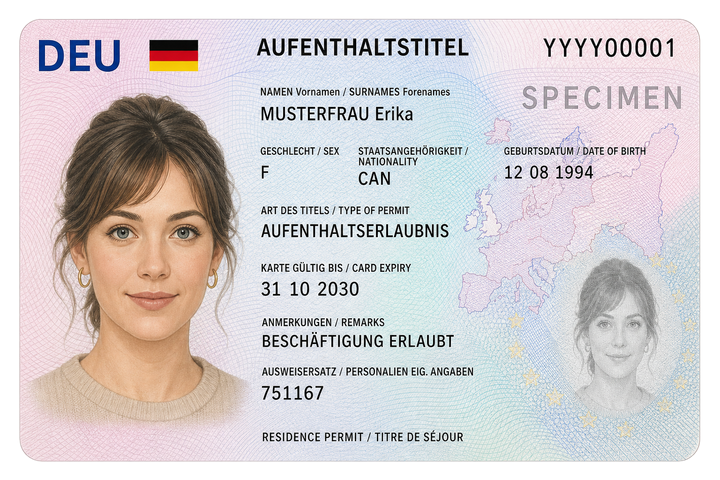
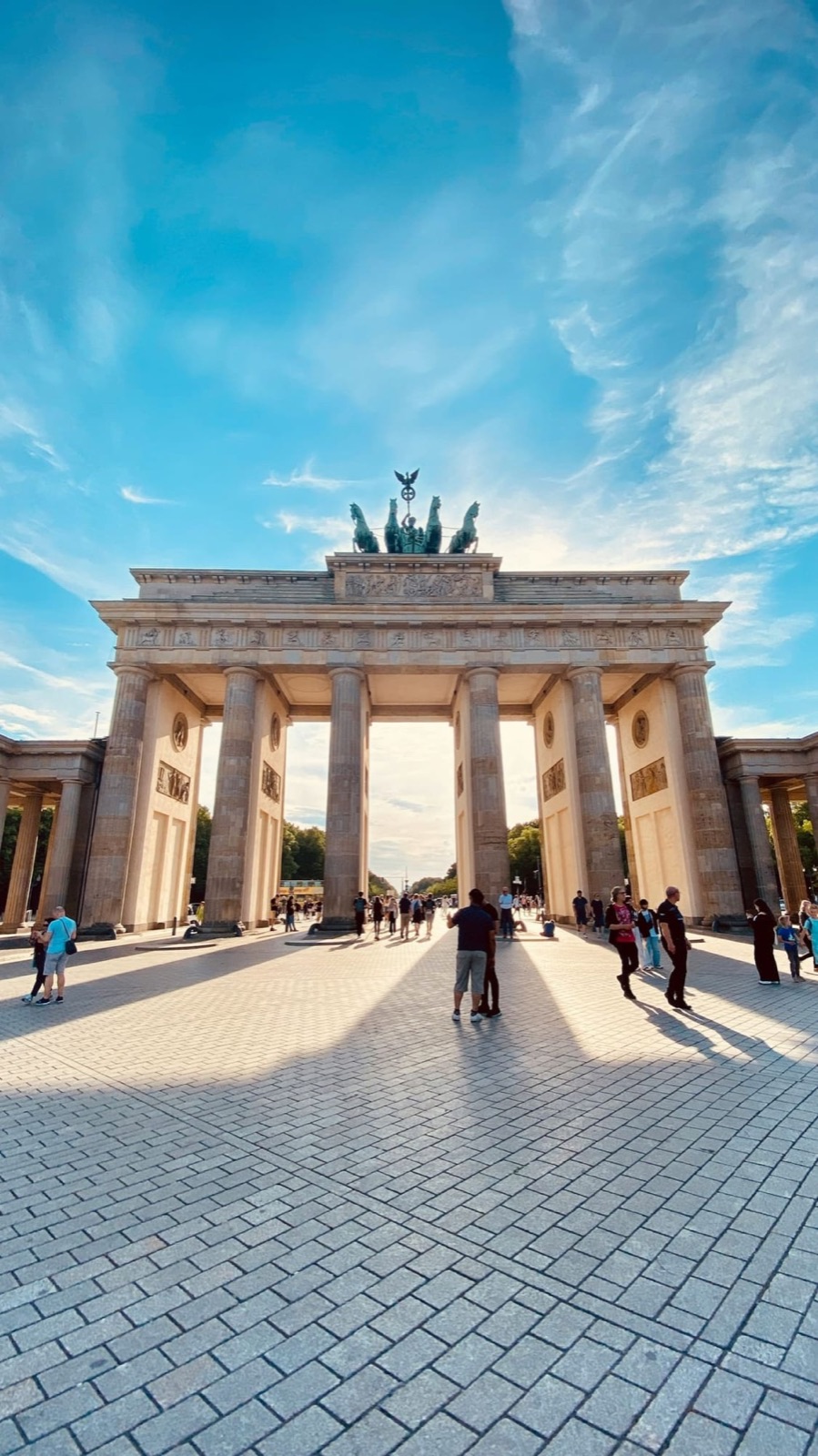
Europe's largest economy is short of specialists, and it pays for them in a way that is easy to plan around: fixed salary floors, full social cover, and a permanent-residence date you can put in a calendar. It is also a comfortable place to live, with rich history and modern life in the same cities and world-class infrastructure.
With a Blue Card and B1 German. Twenty-seven months without the language level. Then citizenship.
Public education costs nothing, healthcare is open to residents on the same terms as Germans, and safety standards are high. Your family gets residency at the same time as you do.
German residence lets you travel across the whole Schengen zone for short stays.
Demand is highest in IT, engineering and medicine, unemployment among qualified specialists stays low, and the salary floors are written into the law.
Full social cover from your first contract Health insurance, pension contributions and paid leave are standard for employees, not a benefit you negotiate.
Which route is yours
Three routes. Which one fits depends on one thing: whether you have a German job offer, need time to find one, or work for your own clients.
A German contract from €50,700 a year, and permanent residence 21 months later. Your employer does not need a German entity: a German payroll partner can be the employer of record while your foreign employer orders the hire.
See the Blue Card routeYou live in Germany for up to a year and look for the job from inside the country, on €13,092 in a blocked account or €1,091 a month.
See the Opportunity Card routeYour own clients carry the case, with no employer at all. You show €11,904 in a blocked account and a letter from at least one German client.
See the Freelance routeIf more than one route fits, we build the one your evidence can carry today and keep the second as the backup.
New for 2026
Two thresholds moved on 1 January. The other two have been in force for a while, and they are the ones people get wrong.
From 1 January 2026. Shortage roles qualify at €45,934.20: IT, engineering, medicine, mathematics and the natural sciences, plus anyone who graduated in the last three years.
Or €1,091 a month, for a one-year job-search permit. It was €12,324 last year.
Three years of relevant work in the last seven can replace a university diploma on the Blue Card. It is an under-used route, built for self-taught engineers and bootcamp graduates.
That is the planning figure for 2025 and 2026, plus roughly €5,952 per child, and the exact amount depends on your local immigration office. Do not confuse it with the €13,092 Opportunity Card floor: two different requirements for two different permits.
Rules move every January. We recheck yours before a single form is filled in.
Route by route
Whether you are a highly skilled professional, a freelancer or a job seeker, we match you with the right German residence permit.
For highly qualified employees whose contract clears the salary floor. Shortage roles are IT, engineering, medicine, mathematics and the natural sciences, plus recent graduates. IT specialists can qualify on three years of experience instead of a degree.
For qualified applicants without an offer. You live in Germany for up to a year, work part time while you look, and switch to a Blue Card as soon as you sign a qualifying contract.
For self-employed professionals working for their own clients: IT consultants, designers, architects, journalists, doctors, artists, translators, marketing and media specialists. You need a letter from at least one German client, and a plan for the practice.
Side by side
Three routes, three kinds of proof. Pick the one your situation today can actually document.
On the call we look at your profile, your degree, your years of experience, your field, whether you already have a German offer and your spouse's tax residency, and tell you which of the three categories fits. Not the one that is easiest to sell.
What we do for you
Three scopes, because a Blue Card file, a job-search file and a payroll bridge are different amounts of work.
Qualification review, the degree or experience check, the contract, insurance, the national visa file and the arrival-stage documents.
See what is includedThe points check or profession review, recognition guidance, forms, document checks, appointments where they are available, and case management to the permit.
See what is includedIf you work for a company with no German entity, a payroll company can employ you locally so a Blue Card becomes possible. The payroll company handles payroll and social contributions; your employer keeps the working relationship.
See the payroll model on our Portugal pageHow we work
No more dealing with bureaucracy. You give us the facts once, and you always know what stage the case is at.
We check the degree, the experience, the offer, the clients and the funds you can actually document.
A specialist reads the case, with a licensed lawyer where it needs one, names the problems in it and builds the roadmap. We test Blue Card, Opportunity Card and Freelance Visa against your evidence and name the one worth building.
With minimal input from you: recognition, certificates, translations, insurance and forms, checked twice before anything is submitted.
We book the appointment, submit, talk to the consulate and the immigration office, and track the decision.
We guide the city registration, tax numbers and residence permit once you land; housing search is an add-on where agreed.
One owner, one plan, and a named next action at every stage.
Relovisa in numbers
Residence, work, founder, family and private-client cases.
Clients across North America, Europe, Africa, the Middle East and the CIS.
Immigration lawyers, consultants and tax advisors in the countries we file in.
The immigration lawyers and consultants on our case teams bring 10+ years each.
Completed-case rate across the routes Relovisa files directly (Portugal, Spain, France and Italy); partner-led routes are not included. See how we count them
People behind your case
Every case is led and coordinated by Relovisa. We bring in the immigration consultants, lawyers, payroll and tax specialists the route needs, while Relovisa remains your single point of contact.
One coordinated case team, built around the route you actually need.

Leads strategy for founder, business and non-standard cases, connecting the route with the client's business, family and long-term plan.

Leads client and partner operations so case teams, local specialists and next steps stay coordinated from assessment to completion.

Supports UK immigration and Talent Visa case management where licensed legal input is required.

Supports German work immigration cases across process planning, local requirements and case coordination.

Supports Portuguese residence matters that require legal review, representation or procedural escalation.

Supports Portugal D2, D3, D7 and D8 cases, including clients with different income structures.

Supports global mobility for self-employed, founder and highly skilled cases through Portugal D8, D2 and D3 routes.

Supports highly qualified professionals and procedural cases involving residence delays and AIMA proceedings.

Advises on international tax structures and non-standard cross-border situations across Europe, Asia and the United States.

Supports clients whose move intersects with crypto assets, international business and tax planning.
Local coverage for routes and services that require authorised in-country specialists.
Germany questions
Plan 2 to 6 months from the start of the file to the permit, depending on your consulate. Once the visa is issued you enter Germany and start work straight away. With B1 German you can apply for permanent residence after 21 months.
Blue Card: a gross salary of at least €50,700 a year, or €45,934.20 in shortage roles (IT, engineering, medicine, mathematics, the natural sciences, and anyone who graduated in the last three years). Freelance Visa: €11,904 in a blocked account for the main applicant, plus roughly €5,952 per child, which varies by local immigration office. Opportunity Card: €13,092 in a blocked account for one year, or €1,091 a month in proven income.
Not always. A German contract is the direct way onto the Blue Card. If your employer has no German entity, a payroll company can employ you locally at your employer's instruction, which makes the Blue Card possible. If you have no employer at all, the Opportunity Card gives you a year in Germany to find one.
Self-employed work in IT and software, architecture and design, marketing and consulting, media and the creative industries, plus regulated professions such as doctors and translators. You show verified qualifications, experience and at least one German client.
The Opportunity Card can still be scored on points instead of a recognised degree. The points count your age, your work experience, your language skills and your connection to Germany. You show alternative proof of your qualifications and the €13,092 in a blocked account. On the Blue Card, IT specialists can qualify on three years of relevant experience in the last seven, with no diploma at all.
On the Blue Card and freelance routes, yes. Your spouse and children apply with you and get residence, and your spouse can work. On the freelance route you show roughly €5,952 more per child, and the exact amount depends on your local immigration office. The Opportunity Card is a job-search permit, so the family usually joins after you move to a work permit or a Blue Card.
An unrestricted right to live and work in Germany, freedom to change employer or start your own company, free movement inside the European Union, and a route to German citizenship.
No. The Blue Card is only for qualified professionals with a German employment contract. If you want to work for your own clients, the Freelance Visa is the route, and it has its own path to permanent residence after 3 years.
Your Germany route
A 30-minute call. We look at your profile, pick the category (Blue Card, Opportunity Card or Freelance Visa), pick the application route, which country you file from and which consulate, and give you a timeline and a quote estimate before you commit to anything.
Check my case for freeFree written check first · €40 live session, credited to your package